太阳能博客

Solar energy systems

主页

Solar energy systems

  • How Commercial Solar Power Systems Cut Operational Costs for Factories in 2026
    How Commercial Solar Power Systems Cut Operational Costs for Factories in 2026 Jan 23, 2026
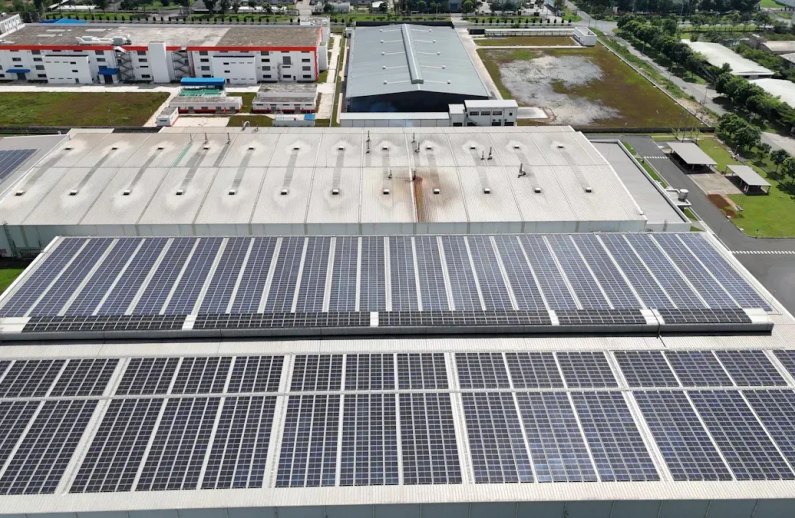
    Commercial solar power systems help factories save money in 2026. Many factories pay less for electricity and worry less about price changes. Solar power gives quick and long-term savings because solar costs stay steady and there are federal tax credits. Factories do not need the grid as much, so they can control energy costs and pay less for upkeep. New things like battery storage and smart energy management make solar power even better. Solar energy systems let factories sell extra energy and become stronger against problems. More factories use solar because they want steady energy costs and higher property values.   Key Takeaways Factories can cut electricity bills by 40% to 70% with solar power. This helps them save a lot of money over time. Solar energy keeps prices steady. It protects factories from sudden changes in energy prices. This helps them plan their budgets better. Battery storage with solar systems helps factories use energy wisely. It lowers peak demand charges and cuts down on maintenance costs. Federal tax credits and incentives pay for much of the solar project. This makes solar a smart money choice for factories. Doing regular system checkups and picking good installers helps a lot. These best practices give factories more benefits from solar energy.     Cost Savings with Commercial Solar Power Systems   Reduced Electricity Bills for Factories Factories save a lot of money with solar power. Many factories pay 40% to 65% less for electricity. Some places save up to 70%. These savings happen for a few reasons: Demand charges and peak load penalties are big parts of the bill. Solar power helps lower these costs. Solar panels make electricity when it is needed most. This means factories buy less expensive grid power. Battery storage lets factories keep extra solar energy. They use this energy during busy times. This lowers demand spikes and saves more money. Factories see these savings soon after installing solar panels. Solar is cheaper now, so it helps factories save money. Solar energy also helps control costs for many years. More factories use solar to manage energy bills and spend less. Tip: Factories can save even more by using battery storage and smart energy management with solar power.   Protection from Energy Price Volatility Solar power helps factories avoid sudden price changes. Regular energy prices can go up and down quickly. Solar energy costs stay the same and are easy to plan for. This helps factories set budgets and avoid surprise bills. Solar energy is now cheaper than coal or natural gas for many factories. New solar panels work better and last longer. This makes each kilowatt-hour cost less. Solar power protects factories from rising and changing energy prices. Factories with solar do not worry as much about market changes. They have steady costs and better control over spending. This helps factories save money and grow their business.   Lower Maintenance and Operating Costs Solar power systems need less fixing than old energy sources. Factories spend less on repairs and running costs. Battery storage gives factories more freedom. They can keep extra solar energy and use it later. This means they do not need the grid as much. Smart energy management systems watch how much solar energy is made. These systems help factories use extra energy in smart ways. By saving energy in batteries, factories buy less grid power during busy times. This lowers costs and helps with long-term savings. Commercial solar projects help factories save money and keep costs steady. Factories with solar panels pay less for electricity and running costs. Solar energy is a smart way for factories to save money and work better.     Financial Incentives and Investment Benefits Federal Tax Credits and Policies in 2026 Factories get help from the government when they use solar power. The federal government gives a 30% tax credit for solar projects. Projects must start by July 4, 2026, or work by the end of 2027. Factories can earn more credits for using U.S.-made parts or building in special places. The table below lists the main incentives:   Incentive Type Description Investment Tax Credit (ITC) 30% federal tax credit for projects starting by July 4, 2026, or operational by Dec. 31, 2027. Domestic Content Bonus Extra 10% credit for using U.S.-manufactured components. Energy Community Bonus Up to 10% more credit for projects in special zones. 100% Bonus Depreciation Full first-year depreciation for solar and battery systems. REAP Grants Grants covering up to 50% of project costs for rural businesses. Standalone Battery Storage Credit 30% tax credit for battery systems (≥ 3 kWh), even without solar panels.   States and cities offer more incentives. Factories can use these with federal programs to save money. In 2026, only leases and power purchase agreements get the federal tax credit. Factories must follow new rules about where parts come from to keep their credits.   Monetizing Excess Solar Energy Factories can save or make money from extra solar energy. They use storage systems to keep solar power for later. Some factories use extra power to heat water. Smart scheduling helps factories run machines when solar energy is strong. Many factories add charging stations for electric vehicles. This brings in more money and new customers. Modular solar lets factories add more solar power as they grow.   Accelerated Payback and ROI Solar costs are steady in 2026. This makes solar a safer choice for factories. The payback time for solar systems is now about 4.2 years. It used to be 6.3 years. Higher electricity prices help factories get their money back faster. Net metering and feed-in tariffs also help. Factories save about 17% on energy bills each month. Solar power helps factories spend less, earn more, and grow for the future.   Operational Advantages for Factories Energy Resilience and Reduced Downtime Factories must have steady energy to keep machines working. If the power goes out, factories can lose money. Solar power systems with battery storage help factories stay open when the grid fails. Battery systems work very fast, so important machines do not stop. Solar-plus-storage gives backup power right away. Diesel generators take longer to start. This makes factories stronger and keeps them from losing money during outages. In places where power cuts happen a lot, more factories use solar and batteries. This helps them avoid losing products and money. Factories can keep working without using public power lines. This means they can work all the time, even if the main power is out. Note: Solar power systems help factories keep working and protect machines from sudden power loss.   Enhanced Facility Value Solar power makes factories worth more money. Buildings with solar panels and batteries are more popular with buyers and renters. Companies like solar because it saves money and keeps energy steady. Factories with solar often sell for higher prices. Owners can say their buildings have steady energy and lower bills. This makes the building stand out when people want to buy or rent. Solar upgrades also show that a factory uses clean energy. Many investors like this.   Sustainability and Brand Image Factories that use solar power show they care about the planet. Customers and partners want to work with green companies. Solar energy helps factories be more eco-friendly and cut down on pollution. Factories can talk about their green actions and get new customers. Using clean energy makes the company look good and builds trust. Companies that care about the planet can do better than others and follow new rules more easily. Solar power and strong energy systems help factories lead in safe and smart manufacturing.   Solar Energy for Factories: Real-World Results   Case Studies of Cost Reduction Many factories have gotten good results with solar energy for factories. One factory in Georgia made its solar system work 14% better after regular checkups. This helped the factory make more power and showed why it is important to keep systems working well. Other factories saw the same kinds of gains. They made 10–15% more energy, had fewer surprise problems, and got their money back faster. These changes help factories save money and keep things running well. Factories using solar energy for factories pay less for power and have fewer stops. They also see their solar systems last longer when they do regular checkups. These real stories show that solar energy for factories can help save money and make work smoother. Tip: Doing regular checkups and watching your solar system helps factories get the most out of solar energy systems.   Best Practices for Implementation Factories get the best results by using smart steps. The table below shows some good ways to use solar energy for factories:   Best Practice Description Ground-mounted systems Good for factories with extra land and high energy needs. Solar carports Combine parking and energy generation, saving space. Solar battery storage Store extra energy for later use and reduce peak charges. Financing options Learn about different ways to pay for solar projects. Government incentives Use federal and state programs to boost savings. Selecting a reliable installer Choose an experienced installer for better results.   Factories sometimes have problems when starting solar projects. Rules about building and permits can slow things down. Old roofs may not be strong enough for new systems. Utility companies can take a long time to say yes. Factories fix these problems by working with local experts, starting paperwork early, and using project managers to help. These steps help factories switch to solar energy for factories without big problems.   Commercial solar power systems help factories save money in 2026. They also make energy more reliable and increase building value. Factories pay less for electricity and get help from the government. They do not need to spend as much on repairs. These things help factories keep more money. Here are some steps factories can follow: Set up a site check and look at energy use. Talk to solar experts about design and money options. Check if the factory gets enough sunlight and watch the weather. Factories that start soon can save money for many years and become leaders in green manufacturing.

亚能能源科技有限公司 版权所有 .Xml | 隐私政策 网络支持

Click Here To Get Free Quote

Click Here To Get Free Quote
提交

主页

产品

联系我们