太阳能博客

混合太阳能逆变器系统

主页

混合太阳能逆变器系统

  • Hybrid Solar Inverter Solutions for Factories, Warehouses, and Office Buildings
    Hybrid Solar Inverter Solutions for Factories, Warehouses, and Office Buildings Dec 31, 2025
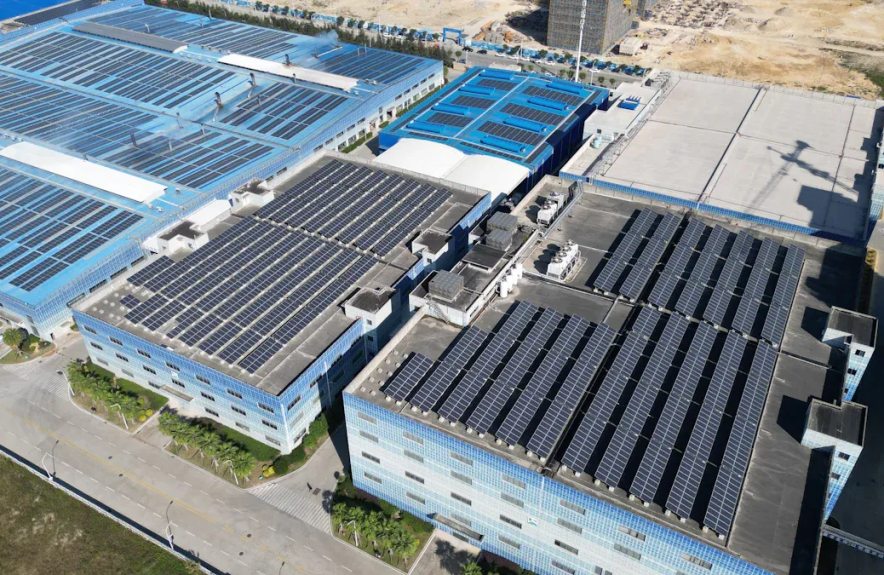
    Factories, warehouses, and office buildings want to save money on energy. They also want their work to go well every day. Hybrid Solar Inverter systems help provide stable power for daily operations while reducing overall energy consumption. Many businesses pick these systems for clean energy. They also want electricity that does not stop. The commercial market is growing fast. It may grow by 8.1% in 2025. The government gives tax credits and grants. This makes it easier to use these systems. High prices and hard technology can slow things down. But more people want to help the planet. Hybrid Solar Inverter Benefits for Businesses Energy Efficiency and Cost Reduction Businesses want to use less energy and reduce operating costs. As a commercial solar inverter solution, hybrid systems help companies better control how electricity is generated, stored, and consumed. These systems choose if they should use solar power, store it, or get power from the grid. They make these choices right away. This smart system helps lower bills and stops wasting energy. Tip: Companies can save a lot with solar-plus-storage systems. They can pay less for demand charges, which can be half of their electricity costs. They can also cut peak energy costs by almost 30%. Here is a table that shows how much money businesses can save:   Evidence Type Description Savings Percentage Demand Charge Reduction Demand charges can be up to 50% of all electricity costs. Up to 50% Peak Energy Cost Businesses can cut peak energy costs by almost 30% with solar-plus-storage systems. Nearly 30%   Hybrid Solar Inverter systems help companies get their money back faster. Most big buildings see a return in three to six years. The rate of return is usually between 10% and 20%. Reliable Power and Resilience Factories, warehouses, and offices need power all the time. Hybrid Solar Inverter systems keep the lights on, even if the grid fails. A solar inverter with battery storage allows the system to switch between grid-tied and off-grid modes, ensuring critical loads remain powered during grid outages. Note: Hybrid inverters keep important power on during outages. They help businesses keep working without stopping. The table below shows how different systems work when the power goes out:   System Type Outage Power? Grid Connection Key Components Primary Benefit Standard Grid-Tied No Yes Grid-Tied Inverter Lower starting cost, saves on bills Grid-Tied with Storage Yes (for some loads) Yes Hybrid Inverter, Battery, Transfer Switch Energy backup and bill savings Off-Grid Yes (full power) No Off-Grid Inverter, Battery Bank Full energy independence   Hybrid Solar Inverter systems also help keep the grid steady. They stop voltage spikes and drops, so equipment stays safe. These systems help with demand response programs. During busy times, businesses can use stored energy instead of the grid. This keeps the grid steady and saves money. Sustainability and Green Goals Many companies want to help the planet and meet green goals. Hybrid Solar Inverter solutions make this easier. They use clean energy and cut down on fossil fuels. Solar energy does not make direct emissions, so it lowers a building’s carbon footprint. Hybrid solar systems help lower a building’s carbon footprint by using less fossil fuel. They help make the air cleaner and cut greenhouse gases. Using renewable energy helps companies reach their green goals. Solar energy makes no direct emissions, so it is a clean choice. Switching to solar is a fast way for companies to lower their carbon footprint. Hybrid Solar Inverter systems also help companies get green certifications. These systems make clean electricity and lower Scope 2 emissions, which are important for climate reports. Advanced monitoring lets companies track solar power and report how much they cut emissions. Hybrid solar inverters make clean electricity, which lowers carbon footprints and helps companies cut Scope 2 emissions, which is important for climate reports. Advanced monitoring lets companies track solar power in real time, so they can measure and report their emissions cuts. IEC 62109 makes sure the inverter is built safely. IEEE 1547 gives rules for how inverters work with the grid. UL 1741 SB tests and certifies that the inverter works safely and well. Hybrid Solar Inverter solutions also help companies look good for caring about the planet. They build trust with customers who care about green choices and help companies stand out. How Hybrid Solar Inverter Systems Work     System Overview and Key Features Hybrid Solar Inverter systems help buildings use solar energy smartly. They use solar panels and batteries to save extra power for later. The system picks the best power source for the building. It can use solar, battery, or grid power as needed. This keeps the lights on, even if the power goes out. Many systems use stored energy when electricity is cheaper. This helps businesses save money. People can check their energy use from anywhere. These systems can get bigger if a business needs more power. This makes them a good choice for factories, warehouses, and offices. Hybrid Solar Inverter systems also follow grid rules to keep power safe. Tip: Smart energy use helps businesses save money and work better. Feature Hybrid Solar Inverters Traditional Inverters Energy Independence Enables energy independence with battery storage Relies solely on grid power Cost Savings Reduces energy bills by utilizing solar power and storage Limited savings, primarily grid-dependent Increased Efficiency Achieves efficiencies up to 97% Generally lower efficiency ratings Flexibility Compatible with various solar panels and battery systems Limited to specific panel types Backup Power during Outages Provides reliable backup power during outages No backup capability Smart Energy Control Uses smart programs for load management Lacks advanced energy management features Integration with Battery Storage and Grid Hybrid Solar Inverter systems work with batteries and the grid to keep power steady. They store extra solar power in batteries for later. This helps during blackouts or when power costs more. These systems can handle lots of power from big solar panels and batteries. This is important for large buildings. They help the grid by keeping voltage steady and power quality high. Hybrid Solar Inverter systems move energy between solar, battery, and grid. This helps buildings use clean energy and keeps things running well. In factories, these systems use solar and batteries to cut costs and use less grid power. They give backup power if the lights go out, so work does not stop. Hybrid Solar Inverter systems help the grid by keeping voltage steady. Optimizing HVAC and EV Charging Hybrid Solar Inverter systems help run HVAC and EV charging stations better. They use solar power for these systems, which cuts pollution and saves money. Businesses can add more solar panels and batteries if they need more power. This makes it easy to add more EV chargers. The cost to set up solar is paid back over time. Extra energy can be saved or sent to the grid. Using more solar power means less carbon and helps the planet. Hybrid Solar Inverter systems also keep power steady, which protects HVAC and EV charging equipment. Solar power makes EV charging cleaner and helps the environment. Hybrid Solar Inverter systems make it easy to add more EV chargers. Saving or selling extra energy brings long-term savings. Using solar power lowers carbon and air pollution. These systems keep voltage and frequency steady to protect equipment. Main Components of Hybrid Solar Inverter Solutions Solar Panels Solar panels take sunlight and change it into electricity. Most businesses use monocrystalline solar panels. These panels are popular because they work really well. Bifacial panels can also be used, but they cost more money and are not as common. Polycrystalline and thin-film panels are out there too, but they do not work as well for Hybrid Solar Inverter systems. Companies pick monocrystalline panels to get the most energy from their rooftops. Hybrid Inverter Types (String, Central) Hybrid inverters link solar panels, batteries, and the grid together. There are two main types: string inverters and central inverters. String inverters are good for buildings that want to add more solar power slowly. They make more energy in real life because only a few panels lose power if some get shaded or do not match. Central inverters are better for big places like factories or warehouses. They handle lots of power from many solar panels at once, sometimes even megawatts. The table below shows how string and central inverters are different:   Inverter Type Efficiency Characteristics Scalability Characteristics String Inverters Higher real-world energy yield; losses confined to small areas due to shading/mismatched panels. Very scalable for incremental growth. Central Inverters Higher rated efficiency (up to 99%); greater mismatch losses under less-than-ideal conditions. Scalable only in large capacity jumps.   Tip: String inverters let businesses grow solar power step by step. Central inverters are best for big projects that need lots of power at once. Battery Storage Battery storage lets buildings keep extra solar power for later. Hybrid Solar Inverter systems fill up batteries when the sun is out. At night or if the power goes out, batteries give backup power. This means buildings do not need as much grid electricity and can save money. Battery storage also helps businesses control their energy better. The table below explains what batteries do:   Functionality Description Energy Storage Hybrid inverters put extra solar power into batteries for later. Cost Efficiency Makes sure cheap solar power is ready when grid power costs more. Backup Power Gives power during blackouts, especially at night.   Hybrid systems use both solar and grid power. They keep power on all day long. They store extra energy and help businesses use less grid power. Energy Management Systems Energy management systems help buildings use energy in smart ways. These systems check how much power comes from solar panels, batteries, and the grid. They pick the best source based on what is needed right now. Businesses can pay less for energy and sometimes earn credits by selling extra power. Energy management systems keep voltage and frequency steady to protect equipment. They also help companies depend less on the grid. Hybrid solar inverters make energy flow better. Businesses use less grid power and save money. Battery storage gives backup power if the grid fails. Grid-forming inverters keep voltage and frequency steady. Companies get more energy independence and lower their costs. Applications in Factories, Warehouses, and Offices     Factories: Managing High Loads and Peak Demand Factories use a lot of electricity for machines. Hybrid Solar Inverter systems help factories handle big power needs. They use solar energy during the day. At other times, they switch to battery power. Factories can pick models like 30K or 60K units to fit their needs. Three-phase output helps run heavy machines and keeps work going. These systems connect to the building’s power setup, so upgrades are simple. Checking and cleaning the system often keeps it working well. Taking care of the system early stops big repairs and lost time. Inverters might need changing every 10 to 15 years. Batteries can get weaker as time goes by. Warehouses: Rooftop Solar and Low Maintenance Warehouses have big roofs that are good for solar panels. Hybrid Solar Inverter systems let warehouses use rooftop solar and save extra power. These systems do not need much care and help save money. The table below shows how different power choices compare for warehouses:   Power Option Setup Cost Operational Cost Maintenance Energy Independence Grid-Only Electricity Low High (monthly tariffs) Moderate None Diesel Backup Generators Medium Very High (fuel + noise) Frequent Partial Solar + Inverter System Medium Very Low Minimal High Hybrid Solar + Storage Higher Very Low (optimized self-use) Low Complete   Big warehouse solar systems with hybrid inverters can cut power bills by up to 45%. They also lower CO₂ emissions by more than 70 tons each year for each building. Important parts like solar panels and mounts need to be checked sometimes to stop damage. Taking care of the system early saves money and keeps it working. Offices: Workplace Efficiency and Comfort Offices get better energy use and comfort from Hybrid Solar Inverter systems. These systems give clean power for lights, computers, and air conditioning. After adding solar panels and saving energy, offices used 65% less energy. Solar PV systems can give 20% of the power, making total savings 85%. The average office power use dropped from 10.2 kW to 3.6 kW after upgrades. Some panels make both electricity and heat. In one example, putting PV modules on the roof and walls lowered heat and power use. Solar power gave 98.4% of cooling and 51.6% of electricity. Offices can make their systems bigger if needed and connect them to what they already have. Choosing the Right Hybrid Solar Inverter Solution Assessing Facility Size and Needs Every building uses a different amount of energy. Facility managers need to check how big the building is. They also look at how much power it uses each day. The kind of equipment inside matters too. A small office does not need as much power as a big factory. The table below shows what solar and battery sizes fit different buildings:   Facility Type Solar Size Battery Size Peak Load Best Inverter Size Small Apartment 3kW 5kWh 2.5kW 3–4kW Medium House 6kW 10kWh 5kW 5–6kW Large Home with EV 10kW 20kWh 9kW 8–10kW   Factories and warehouses need bigger systems than homes. Managers should check the highest power use and think about future needs. Picking the right size saves money and gives steady power. Comparing Hybrid and Traditional Systems Managers need to look at both hybrid and traditional systems. They should think about: How much money the system will cost What energy goals the business has If battery storage is needed How much energy independence is wanted If backup power is important How hard the system is to use Managers should also: Check how much energy the building uses Think about the high starting cost Compare setup and care costs with money saved later Hybrid Solar Inverter systems are often more flexible. They give better backup power than old systems. These systems help businesses reach energy goals and save money over time. Working with Qualified Providers It is important to pick a trusted provider for safety and good results. Providers should follow important rules and have the right certificates. The table below lists some key standards:   Standard Purpose UL 1741 SB Makes sure the inverter is safe and tested well. IEEE 1547 Sets rules for connecting solar and storage to the grid. IEC 62109 Gives safety rules to protect people from electric danger.   A good provider knows how to work on big projects. They also know local laws. They should help with setup and care. This keeps the system safe and working for a long time.   Hybrid solar inverter solutions are very helpful for big buildings. They give steady clean energy and make bills lower. These systems help buildings use energy better. They can store extra power for later use. This means businesses use less fossil fuel. Facility managers can make the system bigger if they need more power. The table below shows how hybrid solar inverters help with growth and new technology.   Benefit Description Scalability Modular designs make it easy to add more as energy needs grow. Cost Efficiency Saves money by not buying too much equipment at first. Flexibility for Growth Lets companies add more power in steps as they get bigger.   Facility managers should check what their building needs. They should think about hybrid solar inverters for saving money and helping the planet in the future.
  • 什么是双输出逆变器?
    什么是双输出逆变器? May 30, 2024
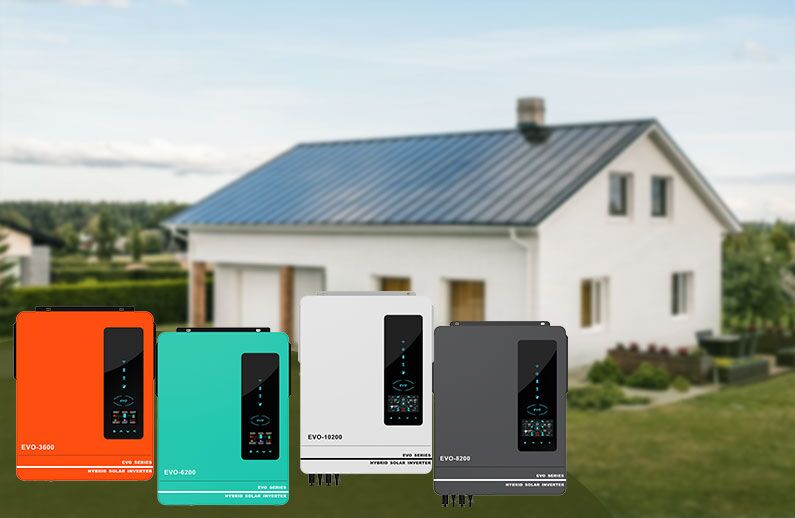
    随着对可再生能源解决方案的需求不断增长,对提高太阳能发电系统效率和多功能性的先进技术的需求也在不断增长。在这些技术中,双输出逆变器因其独特的功能而受到关注。本博客探讨了什么是双输出逆变器以及它如何与 混合太阳能逆变器系统,以及为大型安装采购批发太阳能逆变器的好处。 什么是双输出逆变器?双输出逆变器,顾名思义,是提供两个独立电源输出的逆变器。这一功能使其有别于传统的单输出逆变器,并在太阳能发电系统内管理和分配能源方面提供了更大的灵活性。 双输出逆变器的主要特点:两个独立输出:双输出逆变器可以同时向两个不同的电路供电。此功能允许更细致的能源管理和分配。多功能性:这些逆变器可用于从住宅到商业环境的各种应用,为不同的能源需求提供量身定制的电源解决方案。提高效率:通过优化功率分配, 双输出逆变器 可以提高太阳能发电系统的整体效率,确保在最需要的地方和时间使用能源。 与混合太阳能逆变器系统集成混合太阳能逆变器是一种结合了并网和离网系统功能的逆变器。它可以管理来自太阳能电池板、电池存储和电网的电力,提供多功能且可靠的能源解决方案。当与双输出逆变器配合使用时,混合太阳能逆变器系统可以提供更大的优势。 双输出混合太阳能逆变器的优点:优化能源使用:双输出功能使混合逆变器能够更有效地分配电力,确保关键和非关键负载都能获得适当的电力。提高弹性:通过提供独立的输出,双输出逆变器可以在断电期间维持基本系统的供电,同时仍然管理不太重要的负载。灵活的电源管理:用户可以优先考虑某些应用程序或系统,确保制冷、医疗设备或安全系统等基本服务在电源中断期间保持运行。成本效率:批发太阳能逆变器(包括双输出型号)可为大型安装提供显着的成本节省,使其成为企业和大型住宅项目的有吸引力的选择。批发太阳能逆变器:大型安装的优势采购 批发太阳能逆变器 可以提供许多好处,特别是对于商业建筑、工业设施和多住宅综合体等大型设施。 批发太阳能逆变器的优点:节省成本:批量采购可降低单位总成本,从而使大型装置配备高质量逆变器变得更加经济实惠。一致的质量:批发供应商通常提供标准化产品,确保所有单位的质量和性能一致。简化安装:使用统一的逆变器型号简化了安装过程,减少了时间和人工成本。增强支持:许多批发供应商提供全面的支持服务,包括延长保修、技术支持和维护服务。 双输出逆变器的应用双输出逆变器用途广泛,可用于多种应用,增强了混合太阳能逆变器系统的功能。住宅应用:家庭自动化:分别管理重要负载和非重要负载的电源,确保制冷设备和照明等关键系统在断电期间保持运行。能源管理:优化太阳能和电池存储的使用,以减少对电网的依赖并降低电费。商业应用:关键系统:确保服务器、安全系统和制冷装置等关键系统不间断供电。运营效率:将电力分配给设施内的不同区域或部门,优化能源使用并降低运营成本。工业应用:机械和设备:为重要机械提供稳定的电力,同时单独管理不太关键的负载。调峰:使用电池存储在高峰需求期间供电,降低能源成本和电网依赖。 双输出逆变器是太阳能发电系统的重要补充,可提供增强的灵活性、效率和弹性。当与混合太阳能逆变器系统集成时,它们可为住宅和商业应用提供优化的能源管理和可靠的配电。采购批发太阳能逆变器(包括双输出型号)可以进一步提高大型太阳能装置的成本效益和效率。随着可再生能源格局的不断发展,双输出逆变器代表了一种前瞻性的解决方案,可最大限度地发挥太阳能的优势。 

亚能能源科技有限公司 版权所有 .Xml | 隐私政策 网络支持

Click Here To Get Free Quote

Click Here To Get Free Quote
提交

主页

产品

联系我们