太阳能博客

混合太阳能逆变器工厂

主页

混合太阳能逆变器工厂

  • How Can Hybrid Solar Inverters Enhance Irrigation Systems in Agriculture?
    How Can Hybrid Solar Inverters Enhance Irrigation Systems in Agriculture? Mar 26, 2026
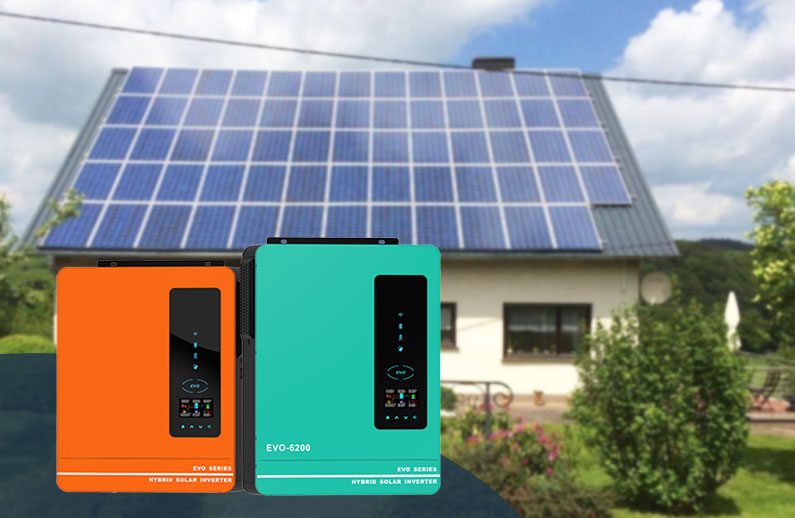
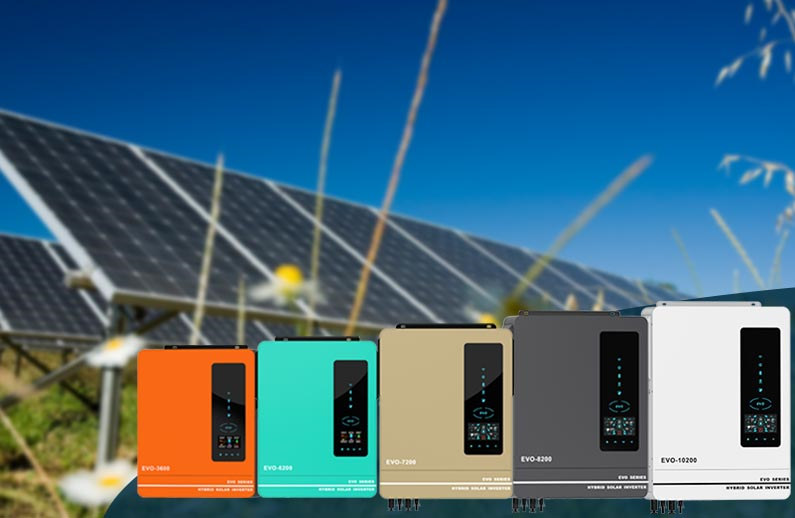
    Hybrid solar inverters provide agricultural operators with highly efficient solutions to common irrigation challenges. By intelligently blending solar energy with utility grid or diesel generator inputs, these systems deliver stable power for high-capacity water pumps and controls—without the need for expensive battery storage systems. For modern agriculture, reducing operational costs while maintaining consistent water delivery is critical. Key benefits of upgrading to this technology include: Reliable power supply via smart energy blending (Solar + AC Grid/Generator) Massive reductions in initial capital expenditure (CAPEX) by eliminating batteries Lower daily operational and fuel expenses Positive environmental impact and reduced carbon footprint Modern agriculture depends on advanced energy technology to boost productivity and profitability. Here is how batteryless hybrid inverter systems are changing the landscape.   Understanding Hybrid Solar Inverters in Agriculture How Batteryless Hybrid Inverters Work Hybrid solar inverters play a crucial role in heavy-duty agricultural energy systems. They convert direct current (DC) from solar panels into alternating current (AC) to power irrigation pumps and machinery. Unlike traditional off-grid systems that rely on massive, expensive battery banks, modern B2B agricultural inverters are designed for direct-drive and smart blending. When the sun is shining, the inverter powers the pumps directly from the solar panels. If clouds roll in and solar output drops, the inverter instantaneously draws the exact missing power from the utility grid or a connected diesel generator. This guarantees a clean, uninterrupted sine wave output that matches grid standards, keeping water flowing without the massive upfront cost of battery storage.   Role in Irrigation Systems In agricultural irrigation, reliable power is essential for consistent water pressure and delivery. Hybrid solar inverters ensure that heavy-duty submersible and surface pumps receive stable electricity, even when solar conditions fluctuate. Many EPC contractors and farm managers source their equipment directly from a reliable hybrid solar inverter factory to ensure they get the right specifications for agricultural loads. Below is a breakdown of the popular series, which is specifically engineered for high-demand, batteryless operation:   Product Series / Category Power Capacity MPPT Voltage Range Key Agricultural & B2B Features Dual AC Output Series 4.2 kW / 6.2 kW 60~450 VDC Batteryless operation directly drives pumps. Features dual AC output to prioritize critical loads and built-in WIFI for remote field monitoring. High-Capacity Series 7.2 kW / 8.2 kW / 10.2 kW 90~450 VDC Dual PV inputs and dual AC outputs. Specifically engineered to handle massive startup surges from heavy inductive water pumps with seamless grid/diesel blending. IP65 Waterproof Series 3 kW / 6 kW 50~450 VDC IP65 rated for harsh, dusty, and wet agricultural environments. Can be installed outdoors near the irrigation control center.   Advantages Over Traditional Power Relying solely on the grid or diesel generators leaves farms vulnerable to rising fuel costs and frequent power outages. By prioritizing solar energy during the day and only supplementing with grid or diesel power when absolutely necessary, hybrid systems dramatically lower operating expenses. Farmers experience zero interruptions in irrigation, leading to healthier crops and better yields, all while keeping equipment maintenance to a minimum.   Key Benefits for B2B Irrigation Projects 1. Reliable Power Supply and Smart Blending A hybrid solar inverter creates a seamless energy management system. By combining solar panels with secondary AC inputs (grid or generator), it keeps pumps running consistently. The system prioritizes free solar energy. When sunlight decreases, the inverter automatically supplements the power with the grid or generator. This flexibility ensures continuous operation of irrigation pumps, preventing crop water stress.   Real-World Data: A recent 50-hectare farm installation utilized a direct-drive hybrid setup. By optimizing their irrigation schedules during peak solar hours (10:00 AM to 3:00 PM), the farm reduced their diesel generator run-time by 75%, resulting in a massive drop in monthly operational costs.   2. Handling High Surge Loads (Pump Startups) Water pumps are notorious for requiring massive startup surges—often 3 to 5 times their continuous running wattage. For massive agricultural setups, partnering with a low frequency solar inverter wholesale distributor is a smart move. Low frequency designs feature heavy-duty transformers capable of absorbing harsh pump surges without tripping the system, ensuring long-term durability in harsh farm environments.   3. Energy Efficiency and Cost Savings By completely bypassing the need for battery storage, the return on investment (ROI) for these systems is exceptionally fast.   Power Source Initial Setup Cost (CAPEX) Fuel/Grid Costs Battery Replacement Costs Diesel Generator Only Moderate Very High None Traditional Off-Grid (with Batteries) Very High Low High (Every 3-5 years) Batteryless Hybrid Solar Moderate Low Zero   For large-scale water delivery, choosing a robust unit like the evo 10200 hybrid solar inverter allows farms to power multiple irrigation zones simultaneously while keeping capital expenditure strictly on power generation, not power storage.   Choosing the Right Hybrid Solar Inverter Assessing Power Needs Farmers and EPC contractors must carefully evaluate their irrigation system’s energy requirements before selecting an inverter. The process starts with identifying the pump’s specifications: Running Wattage: Find the pump’s continuous power consumption. Voltage & Phase: Check if the pump requires single-phase (120V/240V) or three-phase power. Startup Surge: Recognize that startup power can be up to three times higher than running power. To calculate the correct inverter size, always size the inverter based on the maximum startup surge of the heaviest pump in the system, adding a 20% safety margin to ensure reliable performance and prevent system overloads.   Integration and Maintenance Smooth integration requires careful planning. Site-specific challenges, such as dust, high temperatures, and flood risks, must be addressed during installation. Because batteryless hybrid systems remove the most maintenance-heavy component (the batteries), routine upkeep is simple:   Regular cleaning of solar panels to maximize yield. Checking cable management and connections. Utilizing built-in remote monitoring features (via WiFi modules) to track energy yield and instantly detect any grid or generator drop-offs.   FAQ Q: Can a hybrid solar inverter run an irrigation pump without batteries? A: Yes. Modern advanced hybrid inverters support batteryless operation. They power the pump directly using solar panels and instantly blend in grid or diesel generator power if the solar energy drops due to clouds or time of day. Q: How do farmers choose the right inverter size for their irrigation system? A: You must check the pump’s maximum startup surge power, not just its running wattage. The inverter must be capable of handling this peak load. Consulting with a professional manufacturer ensures accurate system sizing. Q: Are there financial benefits to removing batteries from an agricultural solar setup? A: Absolutely. Batteries are the most expensive and maintenance-heavy part of a solar system. By using a smart-blending hybrid inverter, farms can cut their initial installation costs by up to 40% and eliminate future battery replacement expenses entirely.
  • 利用4.2kW双交流输出混合太阳能逆变器,充分发挥高效能的优势
    利用4.2kW双交流输出混合太阳能逆变器,充分发挥高效能的优势 Jun 28, 2024
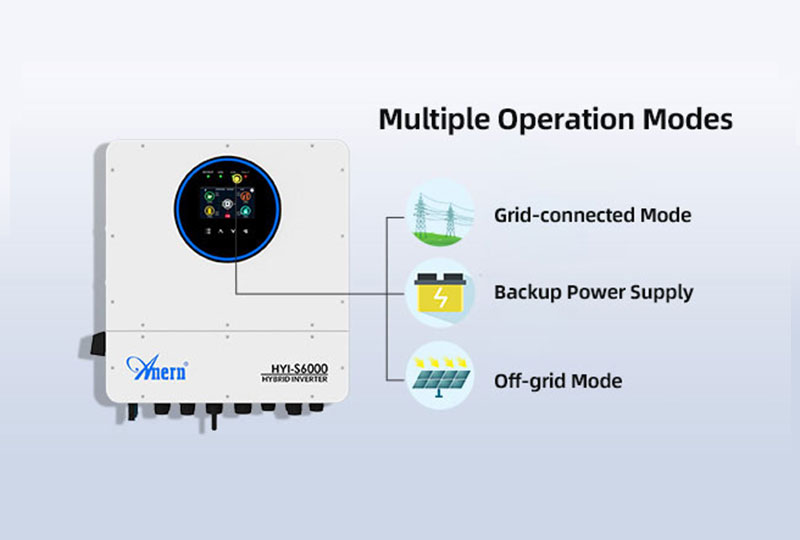
    在当今瞬息万变的世界中,对可靠、可持续和高效的能源解决方案的需求比以往任何时候都更加迫切。无论是住宅、商业还是工业应用,太阳能作为领先的可再生能源,依然熠熠生辉。 这 4.2kW双交流输出混合式太阳能逆变器 经过精心设计,旨在优化效率和可靠性 太阳能系统其坚固的设计和尖端技术可与太阳能电池板和电网无缝集成,确保不间断供电并提高能源效率。 主要特点和优势双交流输出灵活性:双路交流输出功能可实现更灵活的电源分配管理。它确保关键负载和非关键负载都能获得适当的电源,从而优化能源利用并最大限度地减少浪费。可靠性:在电网故障的情况下,逆变器可无缝切换到电池供电,为重要电器和系统提供不间断的电源。 高效优化性能:4.2kW 逆变器的峰值效率超过 97%,确保您从太阳能电池板获得最大可能的能量。 减少能量损失:先进的 MPPT(最大功率点跟踪)技术可最大限度地减少能量损失,确保您的太阳能系统在各种条件下都能以最佳状态运行。 混合功能并网和离网:这款逆变器的混合特性使其既可作为并网逆变器使用,也可作为离网逆变器使用。这意味着您可以将多余的能量存储在电池中,以便在夜间或停电时使用,从而减少对电网的依赖。能源独立:通过整合太阳能电池板、蓄电池和电网,逆变器提供可靠且自主的能源解决方案,为实现更大的能源独立铺平道路。 智能监控与控制远程监控:该逆变器具有先进的远程监控功能,让您可以通过用户友好的界面实时跟踪性能和能源产量。智能管理:通过智能控制选项,您可以优化能源消耗模式,优先考虑能源使用,甚至可以安排在高峰时段进行储能。 为什么选择 4.2kW 双交流输出 混合式太阳能逆变器?节省成本:通过最大限度地利用太阳能并减少对电网的依赖,您可以显著降低电费。环境影响:使用可再生能源可以减少碳足迹,并为可持续发展的未来做出贡献。能源安全:通过高效地储存和管理能源,您可以更好地应对停电和能源短缺。 
  • 混合式太阳能逆变器在可再生能源系统中的作用
    混合式太阳能逆变器在可再生能源系统中的作用 Dec 08, 2023
    混合式太阳能逆变器 混合式太阳能逆变器是一种创新型能量转换装置,也是可再生能源系统的关键组成部分。它在太阳能发电领域具有重要的应用价值。以下是关于混合式太阳能逆变器在可再生能源系统中作用的相关文章: 可再生能源正日益成为解决能源危机和环境问题的关键方案。在此趋势下,混合式太阳能逆变器应运而生,其独特的设计和功能为可再生能源系统注入了新的活力。 混合式太阳能逆变器不仅是太阳能系统的转换设备,也是一个智能能源管理平台。其主要功能包括: 1. 太阳能转换优化混合式太阳能逆变器采用高效的太阳能转换技术,最大限度地捕获太阳能并将其转化为电能。与传统逆变器相比,混合式逆变器能够更全面地利用光照条件,提高太阳能发电效率。 2. 储能与调度配备储能系统的混合式太阳能逆变器可将多余的能量储存起来以备不时之需。通过智能调度,该系统可在用电高峰期提供额外的电力,从而提高系统的可靠性和稳定性。 3. 远程监控和管理混合逆变器通常具备远程监控功能,允许操作人员和用户通过互联网实时监控系统性能。这种远程管理能力有助于及时发现和解决问题,并提高系统的可维护性。 4. 混合式太阳能逆变器可以最大限度地减少能源浪费先进的混合式太阳能逆变器利用人工智能和先进算法,能够精准预测能源需求,并根据实际情况调整能源输出。这使得系统更加智能高效,最大限度地减少能源浪费。 混合式太阳能逆变器在可再生能源系统中发挥着多重作用,不仅提高了能量转换效率,而且促进了能源系统的智能化和多元化发展。 混合太阳能逆变器工厂 公司不仅拥有先进的太阳能技术,而且工艺精湛,管理机制先进,高度重视生产过程中的质量控制,拥有完善的质量管理体系,并持有ISO 9001、CE、ROHS等多项质量管理体系认证。同时,在生产过程中,我们还会执行多项严格的测试和产品抽样程序,以确保逆变器的质量稳定可靠。 随着技术的不断进步,混合式太阳能逆变器将在未来的可再生能源领域发挥越来越重要的作用。​

深圳亚能光电有限公司 版权所有 .Xml | 隐私政策 网络支持

Click Here To Get Free Quote

Click Here To Get Free Quote
提交

主页

产品

联系我们